Easy Ways To Keep Your Mind Busy While Stuck Inside This Winter
Winter has a strange way of stretching time. Days feel quieter, routines shrink, and the mind suddenly has more room to wander. That extra mental space can either turn restless or become something useful. Keeping your mind engaged indoors is less about filling every minute and more about choosing activities that create curiosity and a sense of forward motion. The goal is not distraction. It is stimulation that feels satisfying long after the heater clicks off for the night.
Via Pexels
Rethinking What “Busy” Actually Means
Being mentally busy does not mean constantly being entertained. Many people confuse stimulation with noise. Streaming something in the background while scrolling on a phone often leaves the brain oddly tired and underused. Real engagement usually comes from tasks that invite participation, not passive consumption. Winter is a perfect season to notice the difference.
Mental busyness can look calm on the outside. It might involve deep focus, slow progress, or quiet experimentation. The common thread is attention. When attention is fully involved, boredom rarely shows up.
Note: This post may contain affiliate links, which means if you buy from my link I might make a small commission. This does not affect the price you pay. See the full affiliate disclosure here.
Learning Something With No Practical Deadline
Winter is an underrated season for learning things that do not need to lead anywhere. Skills without pressure often stick better because curiosity drives them. This could mean exploring the logic behind how sound editing works, learning about space missions that never made the headlines, or understanding why certain cities developed the way they did.
The key is choosing topics that feel slightly indulgent. When learning is not tied to productivity, the mind relaxes into it. This kind of exploration creates mental texture. It gives your thoughts something to play with when everything outside feels still.
Creative Projects That Do Not Require Talent
Creativity is often blocked by the idea that it needs to look impressive. That belief shuts people down before they start. Winter creativity works best when the outcome does not matter. Rearranging music playlists to match moods, designing imaginary travel itineraries, or drafting fictional magazine covers are all ways to engage imagination without pressure.
Even writing lists can become creative if the framing is playful. Lists of strange questions, future inventions that would never sell, or alternative endings to famous stories can keep the mind engaged without turning into a chore.
Via Pexels
Structured Thinking Games That Feel Surprisingly Absorbing
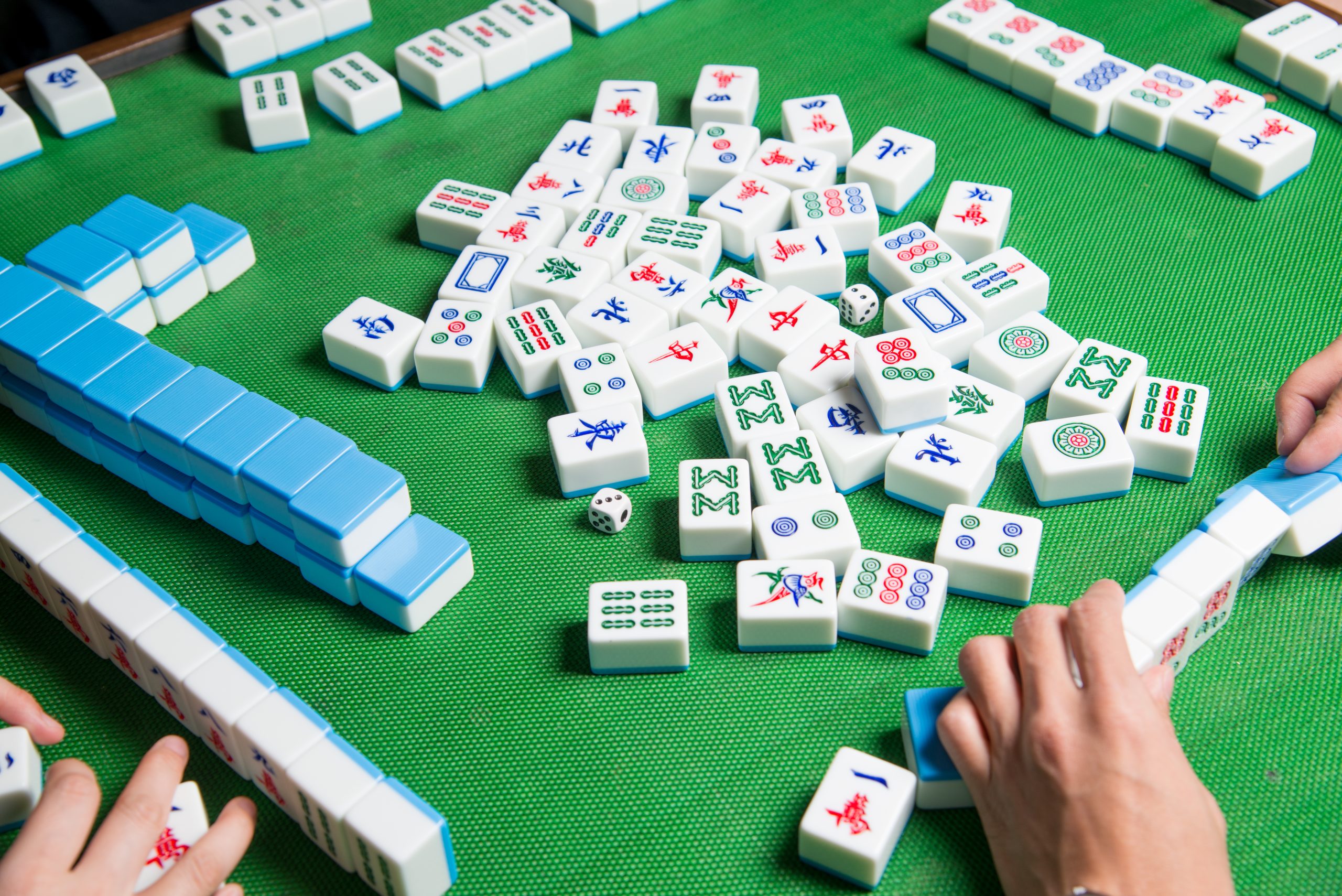
Some minds relax best with structure. Puzzles, logic games, and pattern-based challenges can provide a sense of order that feels grounding during long indoor days. The satisfaction comes from small wins rather than big achievements.
A well-designed online crossword can absorb attention for longer than expected, especially when approached without rushing. These types of activities sharpen focus without overstimulation. They also offer a clear beginning and end, which can feel comforting when days blur together.
Building Tiny Systems That Improve Daily Life
Winter is ideal for small optimizations that often get ignored during busier seasons. This is not about massive life overhauls. It is about noticing friction points and smoothing them out. Organizing digital files so they make sense. Creating a simple morning routine that feels intentional. Setting up automatic reminders for things that are always forgotten.
The mental engagement comes from problem-solving. Each tiny system becomes a project. The reward is not just the finished setup but the process of thinking through how things could work better.
Reading With A Different Kind Of Intention
Reading does not need to mean finishing books quickly. Winter reading works well when the pace slows down. Rereading certain sections, jumping between unrelated topics, or even reading introductions without committing to the full book can all keep the mind active.
Nonfiction with strong ideas tends to linger in the mind longer than plot-heavy stories. Essays, long-form journalism, and thoughtful commentary invite reflection. They give the brain material to chew on while making dinner or staring out a window.
Mental Travel Without Planning A Trip
Being stuck inside often creates a sense of sameness. One way to counter that is by mentally relocating. This does not require booking flights or even planning future travel. It can be as simple as exploring how people in different places structure their days, celebrate holidays, or design their homes.
Maps, city histories, and cultural deep dives activate curiosity. The mind responds well to novelty, even when the body stays still. This kind of exploration expands perspective without adding clutter or cost.
Skill Stacking In Low-Pressure Ways
Skill stacking sounds like a productivity trend, but in winter, it can be playful. Combining unrelated abilities often leads to unexpected enjoyment. Learning basic design principles while experimenting with presentation slides. Mixing writing prompts with light research. Practicing clear communication by rewriting complex ideas in plain language.
These combinations keep the mind flexible. They also reduce the frustration that comes from focusing on a single difficult skill. Progress feels lighter when it spreads across different areas.
Deep Focus Sessions That Feel Like Mental Rest
There is a quiet pleasure in focusing deeply on one thing while the world outside slows down. Winter naturally supports this. Choosing a single task and giving it full attention for a set period can feel restorative rather than draining.
This might involve editing photos, organizing memories, or carefully planning a future project without urgency. Deep focus creates a sense of immersion. When the session ends, the mind often feels clearer instead of exhausted.
Reflection Without Overanalysis
Reflection is different from rumination. Healthy reflection looks outward as much as inward. Winter offers space to evaluate patterns, notice changes, and think about direction without harsh judgment. Writing down questions rather than answers can keep reflection open-ended.
Questions like what feels energizing lately or what routines quietly support well-being allow the mind to explore without pressure. This type of thinking keeps the brain active while staying gentle.
Letting Curiosity Lead The Schedule
The most sustainable way to stay mentally busy indoors is to follow curiosity instead of forcing structure. Curiosity shifts day by day. Some days it leans toward learning. Other days, it prefers organizing, creating, or simply understanding how something works.
Winter does not need to be filled with constant activity to feel meaningful. When the mind is engaged with intention, even quiet days feel rich.